Supporting Local Wellness Brands: What to Actually Look For (From Someone Who Builds Them)
Written in collaboration with Crate61 Organics, who contributed their brand sections and sent products for me to try. All other words are my own!
I have a confession that will surprise nobody who knows me: I read personal care labels the way Upper East Siders read Gossip Girl. Not just the ingredients, but the typography, the claims, the little green badge in the corner that may or may not mean anything at all.
The habit started personally when I made the shift to cruelty-free beauty and skincare back in 2016, and I've been the person squinting at bunny logos in the aisle ever since. Sustainability runs through the rest of my life as much as I can manage, too — I'm a junk journaller, which is a fancy way of saying my paper scraps get a second career instead of a recycling bin.
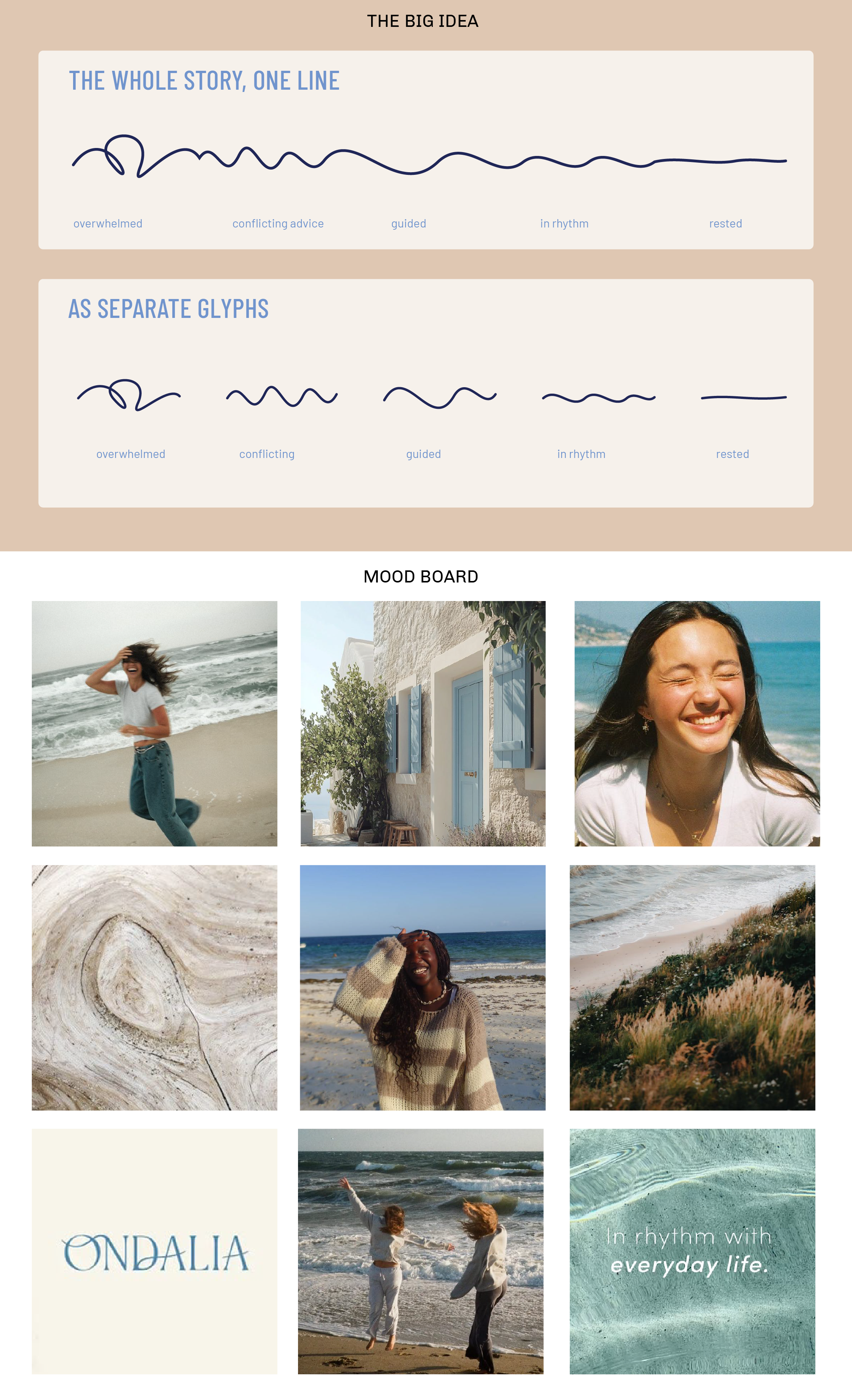
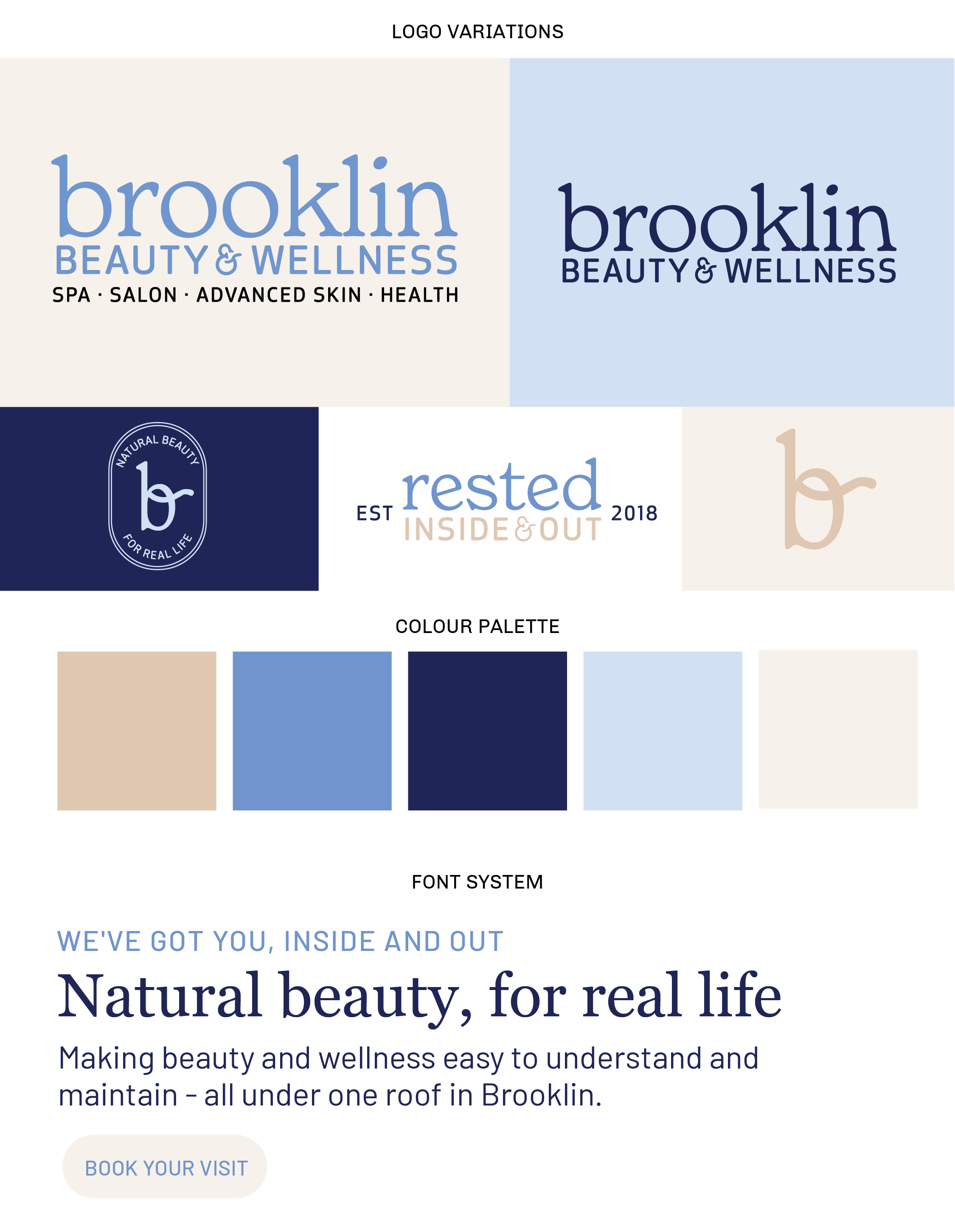
That's because building brands is my job. I'm a creative director, and a good chunk of my work is with eco-conscious businesses, including Brooklin Beauty and Wellness, a certified sustainable spa and salon in Durham Region whose rebrand I've recently lead. When you spend your working hours helping honest brands look as trustworthy as they actually are, you develop a sixth sense for the reverse: brands that look trustworthy but aren't.
Consider this the behind the curtain version! The checklist I actually run, whether I'm vetting a brand for my own bathroom shelf or building one for a client. Here's what I look for.
Why "local" matters more for personal care than almost anything else you buy
A picture frame is a picture frame. But your deodorant, your soap, your lip balm? You put those on your body every single day, often multiple times a day, for years. Frequency raises the stakes. If you're going to be intentional about any purchase, the products that live on your skin are a pretty logical place to start.
And you don't have to take my word for that. Dr. Margot Lattanzi, ND is a hormone-focused naturopathic doctor serving West Toronto and, virtually, the rest of Ontario — and one of my clients. (I told you I work with this world.) She put it in terms that stopped me mid-edit:
"As a hormone naturopathic doctor, this is something I talk about with my patients all the time. Most people don't realize some of the ingredients in everyday products can mimic your own hormones closely enough that your body responds to them. Your endocrine system reads signals all day and doesn't always know the difference between the real thing and a look-alike.
That's why the ingredients we choose in our personal care products matter so much. The things you use every single day are the ones worth being picky about, so start with your daily repeat offenders and go from there. You can't control everything, but you can absolutely control what goes on your skin twice a day.
It's also why I often recommend shopping locally when you can. It's usually a lot easier to know exactly what's going into a product when it's made close to home. The more you know, the smarter the choices you can make for you and your hormones."
She's right about the knowing — it's the whole reason "local" is more than a feel-good label. It changes the math in a few concrete ways:
Accountability is closer
When a brand is made by people in your province, there's a much shorter distance between you and the person who formulated the thing. Questions get answered by a founder, not a ticket queue.
Small batches mean fresher products
Natural formulations have shorter shelf lives than conventional ones. A bar of soap made last month in Ontario has a very different life story than one that spent a year in a container ship and a distribution warehouse.
Your dollars actually stay here
Local business advocates have long pointed out that money spent at independent businesses recirculates in the community at a far higher rate than money spent at chains and Ontario consistently posts some of the strongest local recirculation numbers in the country. Every dollar you spend is a small vote for what your main street looks like in ten years.
None of this automatically makes a local product good, though. Which brings me to the uncomfortable part.
The greenwashing problem (or: why "natural" means nothing)
Here's something the beauty industry would prefer you didn't dwell on: "natural" is not a regulated claim. Neither is "clean," "green," "eco-friendly," or "botanically inspired." Any brand can print those words on a label. Many do, right next to an ingredient list that tells a completely different story.
And here's my slightly awkward insider confession: the visual language of "trustworthy wellness brand" — the kraft paper, the sage green, the hand-drawn leaves, the serif font that whispers apothecary — can be bought. I know because designing that language is literally my profession. In the right hands, design expresses values a brand genuinely holds. In the wrong hands, it fakes them. The packaging can't tell you which one you're holding.
What can? The stuff underneath. Here's my checklist.

What to look for in a local wellness brand: 7 signs it's the real thing
1. They aren’t shy when it comes to the full ingredient list
Not "key ingredients." Not "made with shea butter and love." The complete list, on the label and on the website, without you having to dig. Transparent brands treat their ingredient list like a point of pride. Evasive ones treat it like fine print. That difference tells you almost everything.
This is where Crate61 Organics, a Toronto-based maker of bar soaps, lip balm, deodorant bars, and body butter bars, comes in as a genuinely strong example. Every product page lists the complete ingredient set by its botanical name, right down to the footnote explaining that sodium hydroxide is used to saponify the oils but isn't present in the finished bar. There's no "key ingredients" shorthand and no fragrance blends hiding behind the word "natural" — scents come from essential oils, named individually, with nothing synthetic filling in the gaps. It's the kind of ingredient list that holds up under the level of scrutiny I bring to my own bathroom shelf.
2. Their certifications are earned, not designed
Anyone can design a badge. (Ask me how I know.) Real third-party certifications — ECOCERT, EWG Verified, Leaping Bunny or PETA for cruelty-free, or Green Circle Salons if you're evaluating a spa or salon — involve audits, standards, and someone external actually checking. If you see an official-looking seal you don't recognize, look it up. If it leads nowhere, that tells you plenty.
3. Sustainability lives in their operations
This is the big one for me, and it's the clearest lesson from my client work. In the brand strategy I developed for Brooklin Village Beauty and Wellness, one principle anchors everything: sustainability is a standard, it's not a launch theme or an Earth Day post. It shows up in the unglamorous places — how waste gets handled, what gets sourced and from whom, what the business quietly refuses to do.
When you're evaluating a spa or salon, this is checkable: I designed and built Brooklin's sustainability promise page, and collaborated with Dom Productions – a Toronto-based corporate video and photography studio – on the video featured, where owner Lindsay Self, ND walks through what their commitment actually looks like in practice. She mentions diverting beauty waste through Green Circle Salons, stocking B-Corp lines like Eminence and Davines, swapping plastic jugs for laundry strips, reusable dryer balls, even recycling the coffee pods. Notice what that list is made of: operations. Not a single adjective doing the heavy lifting.
When you're evaluating a product brand, look for the operational version of that: refill programs, plastic-free or minimal packaging, named suppliers, published practices. A brand that only talks about "the planet" in adjectives is performing. A brand that talks about it in logistics is doing the work.
Packaging is where I get extra nerdy, because specifying it is literally part of my job. Look for recyclable materials and credible sourcing — the FSC label, for instance, means the paper or cardboard came from responsibly managed forests, and it's one of the few packaging claims backed by an actual certification system. And here's a print-production secret most shoppers never hear — I started my career in print, so this one's from the trenches: the ink matters too. Some printing inks — UV-cured inks and varnishes especially — are notoriously difficult to remove during the de-inking stage of paper recycling, which can drag down the quality of the recovered fibre or keep "recyclable" packaging from actually being recycled well. A brand that thought about what happens to its box after you're done with it is a brand thinking in systems rather than aesthetics.
Crate61's packaging is exactly the kind of specific I mean: their soap boxes are FSC-certified paperboard, fully biodegradable, and plastic-free, which is the label above in action rather than a claim about it. Everything is handcrafted in small batches at their own facility in Toronto, so the sourcing and the manufacturing sit in the same city they ship from — nothing about it needs to be taken on faith.
4. You can find the humans
If you've worked with me, you've heard me say it a hundred times: people buy from people. Heck, it's on my website's homepage. But it's true! And local brands have faces. Founders, makers, a workshop, a market stall. If a "small local business" has no visible people, no story with actual details, and a suspiciously polished stock-photo aesthetic, be curious about that. Real makers tend to overshare about their process, not hide it.
5. The origin story is specific
"Inspired by nature" is not a story. Ghlee, a ghee-based skincare in Ontario, has a story: a little boy with chapped lips, an Indian mom insisting ghee would fix it, and one more brutal Canadian winter that finally made founder Varun take her advice. Now they make ghee-based skincare, and their about page says "because mom was right." That's the whole test in four words. Specificity is hard to fake, and honest brands are full of it with real problems they were trying to solve. When a brand's "our story" page could be swapped onto any other brand's website without anyone noticing, that's your answer.
And this test matters more than it might seem, because the story page isn't a formality tucked behind the shop — the about page is typically the second-most visited page on a website, right after the homepage. It's the page people click when they're deciding whether to believe everything else. I've designed enough of them to know that's where trust actually gets won or lost, which is why I've written about structuring them properly. So when a local brand puts real specifics on that page, it's not being self-indulgent — it's answering the exact question you showed up with: who are you, and why should I trust you with the stuff I put on my body?
6. They're honest about trade-offs
Natural products come with genuine trade-offs: shorter shelf lives, higher prices, sometimes a texture or scent that takes adjusting to. Trustworthy brands say so. A brand claiming its natural deodorant works exactly like an antiperspirant, costs less, and lasts forever is lying about at least one of those things. Honesty about limitations is one of the strongest trust signals there is — it means they're not optimizing every sentence for the sale.
7. "Local" is traceable, not vibes
Where is it actually made? Where are ingredients sourced? "Designed in Canada" can legally describe a product manufactured anywhere. Look for made in language, a real address, a real facility. Brands that are genuinely local tend to be extremely loud about it, because it's one of their best assets.
Every Crate61 bar is handcrafted in small batches in Ontario, Canada, at a fully vertically integrated facility — meaning we manufacture, package, and ship in-house rather than outsourcing to a co-packer. That’s not a slogan, it’s ISO 9001:2015 certification and a real, single address in Ontario you can look up. No vague "designed in" language: the soap in your hands was made where we say it was.
What this looks like in practice
Theory is nice; shopping is real. So here's the checklist applied.
The spa test. One of my favourite shortcuts: let a good local spa do the vetting for you. Spas and salons that take sustainability seriously are ruthless about the product lines they carry, because their reputation sits on the shelf next to those bottles. Brooklin Village Beauty and Wellness, for example, stocks organic and sustainable lines alongside Canadian-made products — Ottawa's Bushbalm sits right there next to Eminence's organic skincare line. When a certified-sustainable business puts its name behind a product, several of the seven checks above have already been run for you.
The product test. I've been testing a few Crate61 bars myself, and the Lavender Rose soap is the one that's stuck around in my shower: a dense, cold-processed bar that lathers up creamier than I expected from something with no synthetic detergents in it, soft without going powdery — more like an actual bouquet than the syrupy version of "lavender" a lot of drugstore products chase. What sold me wasn't just the sensory stuff, though. It was pulling up the product page mid-shower-thought and finding the exact ingredient list and the FSC packaging note waiting for me, no digging required.
The rest of the box — Canadian Maple, Cocoa & Vanilla Espresso, Avocado Grapefruit, Lemongrass, and Tango Mango (this scent is my weakness) — all smelled genuinely good too, not "candle aisle pretending to be a spa" good. But what actually won me over across the board was the grit range: no grit, light grit, heavy grit, labelled right on the box. That's not a gimmick. Regular exfoliation sloughs off dead skin cells, keeps pores from clogging, and helps everything you put on afterward — moisturizer, that new deodorant you're trying — actually absorb instead of sitting on top of dead skin. Getting that built into the soap itself means I'm not buying a separate scrub, which is the kind of quiet efficiency I respect.
And can we talk about the difference between "does double duty" and "is secretly one product wearing two hats"? Because for real… a shampoo CANNOT be a conditioner AND body wash!! (I will die on this hill.) These aren't that. A grittier bar gently exfoliating while it cleans is a genuinely different mechanism than a 3-in-1 in a gym-bag bottle pretending your scalp and your shins have the same needs. If you love that squeaky-clean feeling, these deliver it without the tight, stripped-out sensation a lot of soaps leave chasing the same thing.
The packaging itself is minimal enough that it doesn't feel like it's compensating for anything — just paper and a simple label instead of shrink-wrap and marketing copy, with any gap around the soaps filled by plain kraft paper instead of plastic air pillows. It's not a "wow" unboxing in the influencer-video sense but that's kind of the point. Knowing it's actually made in Canada, traceable back to a real facility rather than a vague "sourced globally" line, made the whole thing feel less like a wellness purchase and more like a product I could actually vouch for.
The market test. Farmers markets, craft markets, and local pop-ups are still the best discovery engine for wellness brands — you meet the maker, ask about ingredients face to face, and watch how they answer. If you're in Ontario and want a head start, my shop local gift guide rounds up small businesses I'd happily hand my own money to, personal care included. And yes, supporting them matters in February just as much as it does in December.
FAQ: supporting local wellness brands
What counts as a "local" wellness brand? There's no official definition, so I use a practical one: the closer the making, the more local the brand. Made in your region beats made in your province beats made in Canada — but all three keep accountability, jobs, and dollars closer to home than the alternative.
How can I tell if a natural skincare brand is greenwashing? Check whether their claims are specific and verifiable. Full ingredient lists, real third-party certifications, and operational details (packaging, sourcing, waste) are green flags. Vague language like "clean," "naturally derived," and unverifiable badges are the classic tells.
Are Canadian-made personal care products better? Not automatically — quality varies everywhere. But Canadian-made products are subject to Health Canada's cosmetic regulations, tend to come from smaller batches, and many Canadian formulators build for our climate (hello, forced-air-heating winter skin). The bigger reliable difference is traceability: it's simply easier to verify a brand you can visit.
Why do local wellness products cost more? Small batches, better ingredients, fair local labour, and none of the cost-cutting that mass production allows. You're paying the real price of making the thing well. Whether that's "worth it" is personal — but for products you use daily on your body, I'd argue it's one of the better places to spend intentionally.
What certifications should I look for in Canada? For products: ECOCERT, EWG Verified, Leaping Bunny (cruelty-free), and certified organic seals. For spas and salons: Green Circle Salons certification, which covers beauty waste recovery. Treat unfamiliar seals as homework, not proof.
Where can I find local wellness brands near me? Farmers and makers markets, local spas and salons that curate sustainable lines, independent eco-shops, and roundups from people whose taste you trust — my Ontario shop local guide is one place to start.
The short version
Ignore the leaves on the label. Look for transparency you can verify, sustainability you can trace to operations, and humans you can actually find. Local wellness brands that pass those checks aren't just nicer purchases — they're businesses worth keeping in your community.
If you want to see the ingredient lists and packaging details for yourself, Crate61 Organics is at crate61.com.

I'm Abigail Regucera, a creative director working with community-driven brands — leading brand strategy, identity, and digital experiences for businesses like the ones this post is about. If your brand does the real work but doesn't look like it yet, that's exactly what I fix.